
The best wellies for toddlers, picked for small feet and Irish puddles. Five pairs we'd buy, with fitting tips from the HSE and advice on when to size up.
For most toddlers, the welly to buy is the Aigle Baby Flac. It's soft natural rubber with a removable insole that dries overnight. A reflective strip on the heel helps on dark winter afternoons.
For colder days, buy the Viking Ultra Warm. It has a wool-blend lining and is rated to -20°C, so it's the pair for frosty mornings.
Toddlers grow fast, so fit matters more than price. A cheap pair that fits well beats an expensive pair a size too big. Don't buy too far ahead: a boot that's much too long makes a new walker trip.
The five toddler wellies we'd buy
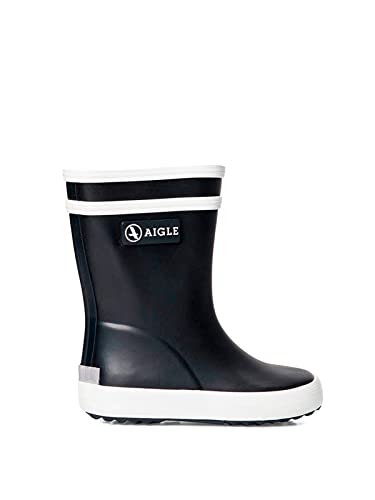
Aigle is a French brand that has made rubber boots for well over a century, and the Baby Flac is its toddler welly. It’s natural rubber, so it’s soft and flexible enough for a new walker’s foot to bend.
The insole lifts out, which makes drying it overnight far easier. A reflective strip on the heel helps on the walk home in the dark.
It’s the dearest pair here, but it’s well made enough to hand down to a younger sibling.
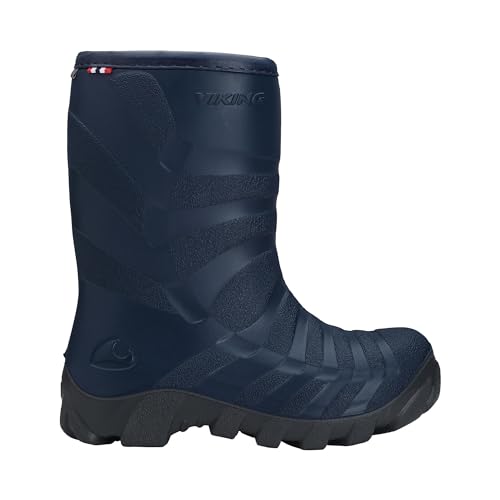
Viking is a Norwegian boot maker, and its Ultra Warm range is built for cold, wet winters. The lining is a wool and polyester blend, which keeps small feet warm even when they’re standing still.
It’s rated to -20°C, which is more than an Irish winter needs. It’s the boot to buy if your toddler spends cold mornings at the farm or on the beach.
It’s shipped from abroad, so allow extra time for delivery.
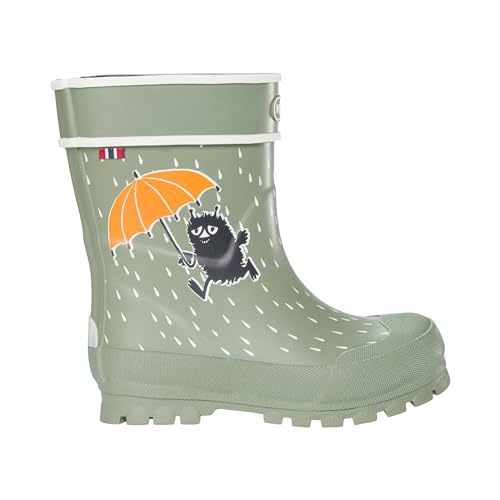
This is a lovely first welly. It’s handmade from natural rubber, PVC free, with double-taped seams and a reinforced toe for toddlers who drag their feet.
The deep tread grips on wet surfaces, and the reflective details help on grey days. The insole comes out to dry.
The Moomin print comes in soft pastel shades, which makes it a nice gift too.
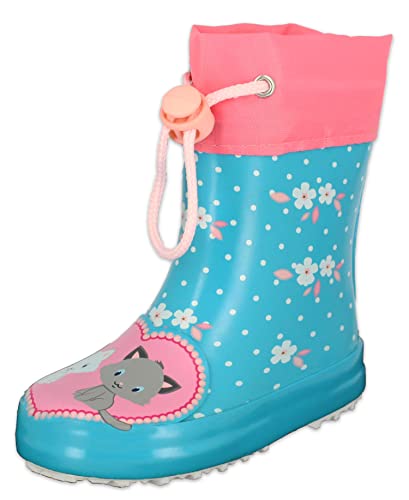
Beck is a German maker of children’s wellies, and this pair has one feature we like a lot: an adjustable rain cuff at the top. Close it around the leg and splashes and rain stay out of the boot.
It’s natural rubber with a non-slip tread, and it’s very good value for a rubber boot.
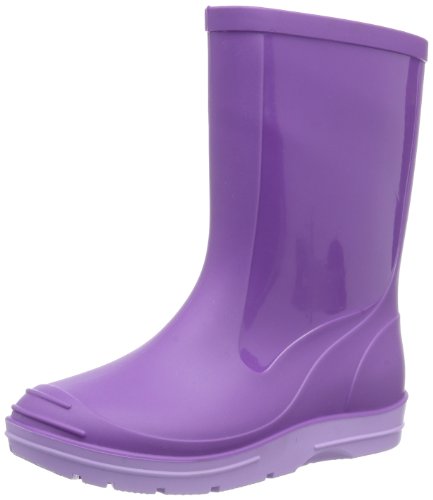
For a second pair to leave at the grandparents’ or in the car, this is the one. It’s a simple, waterproof welly at a low price, in plenty of bright colours.
It doesn’t have the extras of the Aigle or the Vikings, but toddlers outgrow wellies quickly, and a budget pair makes sense for occasional use.
When does a toddler need wellies?
Not until they're walking well.
The HSE's guide to choosing shoes for children says a child is ready for shoes once they've been walking for 4 to 6 weeks, and that being barefoot before then helps strengthen the muscles in their feet.
Wellies are a second pair, not an everyday shoe. The same HSE guide points out that rubber wellies don't breathe, but says they're perfect for short periods of splashing in puddles and walking in mud.
That's the job to buy them for.
How to fit toddler wellies
The HSE says there should be about 1cm of space between the toes and the tip of the shoe, and that a trained fitter should measure your child's feet before you buy new shoes. Wellies are no different.
Check the fit with the socks they'll wear. Your child should be able to wiggle their toes, and the boot shouldn't slip up and down at the heel when they walk.
What to look for
Natural rubber is softer and more flexible than PVC, which matters for small feet that are still learning to walk. A flexible boot lets the foot bend at the toes.
Handles or loops at the top help toddlers pull their own boots on. A wide opening makes it easier again, and saves a fight at the back door.
Look for a removable insole. Toddler wellies get wet inside more often than not, and an insole you can lift out dries in a fraction of the time.
Safety and recalls
Children's products sold in the EU have to meet EU safety rules. Cheap boots from unknown sellers sometimes don't. The CCPC's product safety pages list current recalls, and explain how to report a product you think is unsafe.
Buying from a known brand, through a seller you can trace, is the simplest protection. All five boots above come from established European boot makers.
Keeping little wellies dry
Rinse the mud off at the back door and take the insoles out. Keep wet gear out of the bedroom, where the extra moisture can feed black mould. Then stand the boots upright to dry. Don't put them on the radiator.
Nokian Footwear, the Finnish boot maker, says in its rubber boot care guide to dry rubber boots at room temperature, out of direct sunlight.
Wet socks inside wellies can cause problems. The HSE's page on athlete's foot says you're more likely to get an infection if your feet stay wet or sweaty. Change damp socks as soon as you're home. A heated airer dries small socks and rain gear overnight.
Our guide to drying wet wellies shows how to get a pair dry by morning.
With Met Éireann describing an Irish climate of cool, windy winters and heavy autumn showers, a toddler's wellies get plenty of use. For grown-up boots, see Hunter vs Dunlop or the Hunter size guide.
Toddler wellies: quick answers
What size wellies should I buy for my toddler?
Buy their current shoe size, with about 1cm of space at the toes, as the HSE recommends. Don’t go up more than a size, because a boot that’s too long makes toddlers trip.
Can toddlers wear wellies all day?
It’s best not to. Rubber doesn’t breathe, so the HSE suggests wellies for short periods of splashing and mud, with breathable shoes for everyday wear.
Are rubber or PVC wellies better for toddlers?
Natural rubber is softer and more flexible, which suits small feet. PVC is cheaper and fine for occasional use, but it’s stiffer, especially in the cold.
How often do toddlers need new wellies?
Check the fit every couple of months. Toddlers’ feet grow quickly, and a pair that fitted in October may be tight by spring.