
Small patches you can clean yourself in under an hour. What to wear, why bleach isn't the answer, why it grows behind the wardrobe, and when to call in help.
A small patch of black mould on a bedroom wall needs the right gear and a bucket of soapy water, not a professional. The cleaning is the easy half.
Unless you deal with the damp that fed it, the spots come back, usually in the same corner.
Nearly all bedroom mould in Irish homes grows on moisture from condensation: warm, damp air settling on a cold wall overnight.
The rest usually comes from a leak or water getting in from outside, and that needs a repair, not a cloth.
If anyone in the house has asthma, deal with it sooner rather than later; the health side is covered further down.
Can you clean it yourself?
Size is the first test. The US Environmental Protection Agency says most people can handle a mouldy area of up to about 10 square feet, which is roughly one square metre or the size of a bath towel laid flat.
Beyond that, or where there's been real water damage, it recommends a professional.
Leave it to someone else if any of these apply:
- It's bigger than a bath towel, or it's spread across several walls.
- It came back within weeks of the last clean. That points to a damp problem in the wall itself.
- It's under wallpaper or inside a plasterboard wall. Pulling paper off a mouldy wall can release a cloud of spores, the EPA warns.
- The person cleaning has asthma or a weakened immune system. Someone else should do it, with the patient out of the room.
Renting? Photograph the mould with the date showing before you touch it. Once it's cleaned, you've lost your best evidence.
Cleaning a small patch safely
-
Take photos first
Close-ups and a wide shot that shows where in the room it is. Worth doing even if you own the house, so you can tell whether it’s spreading next time.
-
Put on gloves, goggles and a mask
Long rubber or nitrile gloves, goggles without vent holes, a disposable FFP2 mask that fits snugly and old clothes you can wash straight after. The EPA recommends the same kit, as the aim is to keep spores out of your lungs and eyes.
-
Shut the door and open the window
That way the spores you disturb go outside instead of into the landing and the next bedroom. Move bedding and clothes out of the way first.
-
Wipe it, don't brush it
Use a cloth with warm water and washing-up liquid, or an anti-fungal cleaner as Respond suggests. Dry brushing or vacuuming throws spores into the air. Rinse the cloth often and bag the cloths when you’re done.
-
Dry the wall completely
Leave the window open and the heating on until the surface is fully dry. Mould needs moisture; a dry wall gives it nothing to restart on.
-
Wait before you paint
Only repaint once the wall is clean and dry. Paint over live mould peels and the growth carries on underneath. An anti-mould paint is worth the extra few euro on a wall that’s had trouble before.
Stopping it coming back
Cleaning only buys time. These are the changes that keep the wall clear, roughly in order of cost:
- Sort out condensation first. Air the room every morning and keep trickle vents open. The morning routine on our condensation page covers the habits that make the biggest difference.
- Keep the heat steady. Respond recommends a constant low level of heating, ideally between 18°C and 21°C, over letting rooms go cold and warming them up again. Cold walls are where condensation lands.
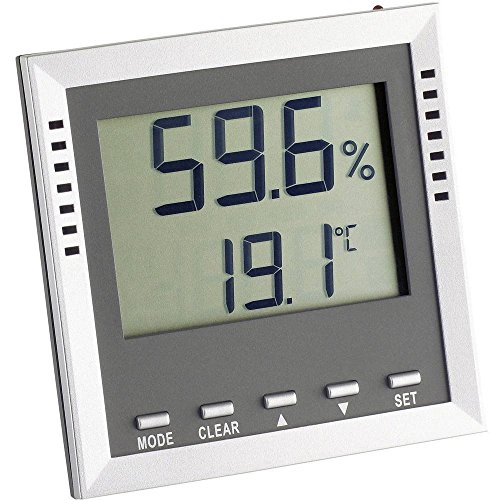
- Watch the humidity. A hygrometer on the bedside locker shows whether the room is staying dry or creeping up overnight.
- Run a dehumidifier overnight. Set to a target humidity, it takes the water out of the air before it reaches the wall. The Department of Housing's ventilation guidance treats removing moisture as the main defence against mould, and in a bedroom without good ventilation, a dehumidifier is the quickest way to do that.
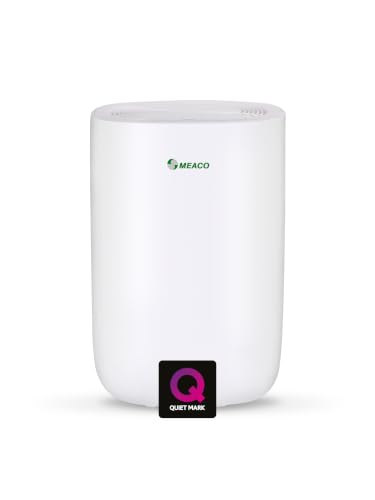
Quiet enough to run while you sleep, and it switches itself off once the room reaches the humidity you set, so it isn’t burning power all night.
Going by Meaco’s own consumption figure, it costs about 4.4c an hour at the average Irish unit rate of 36.06c/kWh. Sold by Meaco Ireland.
It’s a compressor model, so it works best in a bedroom kept above about 15°C. For a room that gets colder than that, read desiccant vs compressor first.
An air purifier with a HEPA filter can lower the number of spores floating around the room, which helps if someone has allergies.
It does nothing to mould already growing on the wall, so it comes after the damp is fixed. Our air purifier guide explains when one is worth it.
What about bleach?
Bleach makes the stain disappear, which is why it's popular, but a white wall isn't the same as a clean one.
The EPA's mould guide doesn't recommend bleach or other biocides as a routine part of mould clean-up, and it makes a point most people miss: dead mould can still cause allergic reactions, so it has to be physically removed, not just killed.
If you do use bleach, never mix it with any product that contains ammonia, because the combination gives off toxic fumes. Keep the window open the whole time.
Behind the wardrobe and under the bed
Mould loves the places air never reaches. A wardrobe pushed flat against an outside wall creates a cold, still pocket where condensation settles every night and nobody sees it until the back panel turns grey.
The same happens behind a headboard or under a bed full of storage boxes.
- Pull furniture 5 to 10 cm off outside walls so air can move behind it.
- Air the wardrobe regularly. The Asthma Society recommends airing clothes and wardrobes as part of keeping mould down. Never hang damp clothes inside.
Clothes and soft furnishings with mould on them are trickier. Washable fabrics can usually be saved with a hot wash.
The EPA's advice is that porous materials such as carpet and ceiling tiles may have to be thrown out, because mould grows into them. A mattress with mould on it falls into that group.
More on clothes in mould in the wardrobe.
Is black mould dangerous?
It can be, mostly for your lungs. The World Health Organization's European office reviewed the evidence in its guidelines on dampness and mould and found that people living in damp, mouldy homes have more breathing problems, asthma among them.
The Asthma Society of Ireland explains the mechanism: mould releases tiny spores into the air, and those spores can set off asthma symptoms.
The people most likely to notice are those with asthma or another chest condition, and anyone prone to allergies. Babies and older people sleeping in a mouldy room are worth extra care too.
The colour on its own doesn't tell you much. Black or green, indoor mould is treated the same way: remove it, then dry the room out.
If anyone in the house has asthma that flares every winter, or a cough that won’t clear, mention the mould to your GP. The Asthma Society of Ireland also offers free advice from an asthma nurse.
The HSE’s asthma guidance lists mould and damp among the triggers to tackle at home.
Your landlord has to keep the property free from damp and provide heating and ventilation you can control, under the minimum standards for rental properties. Report mould in writing with your dated photos, and keep a copy.
If it keeps coming back because of a leak or a broken extractor fan, that’s the landlord’s problem to fix. Damp in a rented house sets out your rights and the RTB process.