
It's usually your own breath meeting cold glass. A ten-minute morning routine, the fixes worth paying for, and when wet windows point to a bigger problem.
Wet windows every morning mean warm, moist air in the room has met glass colder than its dew point overnight, and the water vapour has turned back into liquid.
In most Irish bedrooms, a big share of that moisture comes from the people sleeping there.
Respond, the Irish housing association, puts it simply: we breathe and perspire all night, and that is exactly when the room drops to its coldest.
With two of you asleep behind a closed door, the moisture has nowhere to go except the coldest surface in the room.
The glass is usually that surface. It fogs first, then the droplets run down and pool on the sill.
Which side of the glass is wet?
Check this before anything else. Where the water sits tells you whether you have a humidity problem or a window problem.
- On the room side. Too much moisture indoors and not enough air moving. Everything below applies to you.
- On the outside. Usually good news. Modern double or triple glazing keeps heat in so well that the outer pane stays cold enough for dew to form, the same way it forms on a car windscreen. It clears as the morning warms up.
- Between the panes. The seal on the glass unit has failed and moist air has got in. No amount of wiping or airing will clear it. Years of daily heating and cooling wear the seal until it cracks. A glazier can usually replace the sealed unit without changing the frame.
- On the frame and the wall around it. The reveal around a window is often the coldest part of an outside wall. Water here, or black spots in the corners, means mould already has what it needs. Read black mould in the bedroom before it spreads.
Why the bedroom is always worst
Bedrooms combine the two things condensation needs: hours of moist breath and a room that cools once the heating goes off. Close the door and the moisture stays put.
Curtains cut both ways. Closed, they keep heat in the room, but the pocket of air trapped behind them gets colder and wetter, so the glass streams by morning. Pull them back as soon as you're up.
And if they hang in front of a radiator, the heat rises behind them and leaves through the glass instead of warming the room; Respond's advice is to keep curtains and blinds clear of radiators.
The Department of Housing's ventilation leaflet puts it plainly: moisture from everyday life, even breathing, turns into condensation on windows and walls, particularly in winter when those surfaces are cold.
New windows, and somehow it got worse?
This happens a lot after an upgrade. Old timber windows leaked air all night, and that air carried moisture out whether you wanted it to or not. New sealed windows stop the draught and the moisture's escape route with it.
The same Department of Housing leaflet warns that energy upgrades such as insulation can block the gaps that were letting stale air out.
The answer is the trickle vent, the slim slotted strip along the top of most modern frames. The Department's advice is to leave trickle vents and wall vents open and unblocked, even in winter. You'll use a little more heat.
The windows will stay drier.
Ten minutes every morning
-
Get the water off the glass
Wipe or vacuum the glass and the sill straight away and tip the water down the sink. Wring the cloth out in the sink instead of draping it on a radiator, or the water simply goes back into the air.
-
Open up while you get dressed
Open the bedroom window wide for ten minutes or so. If you can, open one on the other side of the house as well, so air moves straight through. A short, wide opening swaps the damp air without chilling the walls the way a window left on the latch all day does.
-
Check the vents
Make sure the trickle vents along the top of the frame are open and nothing is pushed up against a wall vent. Plenty of people close them in October and forget about them until spring.
-
Leave the door ajar tonight
Respond’s advice is to leave bedroom doors open or ajar overnight so air can circulate, especially when two people share the room. The Department of Housing leaflet also recommends a gap of about 10 mm under internal doors so air can move between rooms even when they’re shut.
Two cheap tools make that routine easier to stick to and show you whether it's working.
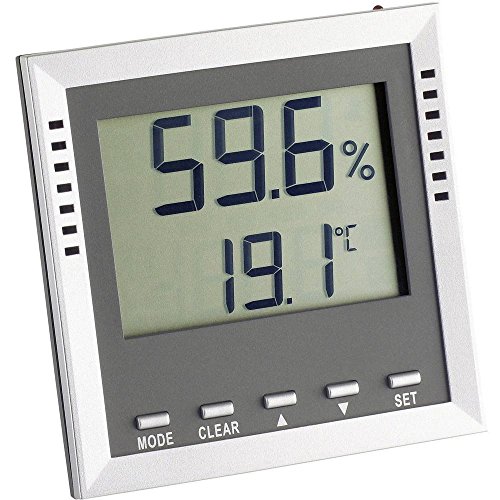
Most cheap hygrometers only give you a humidity figure. This one also shows the dew point, which is the number that matters on this page: when the window glass drops below it, the water appears.
Stand it on the bedroom sill for a week and you’ll see exactly when the room tips over.
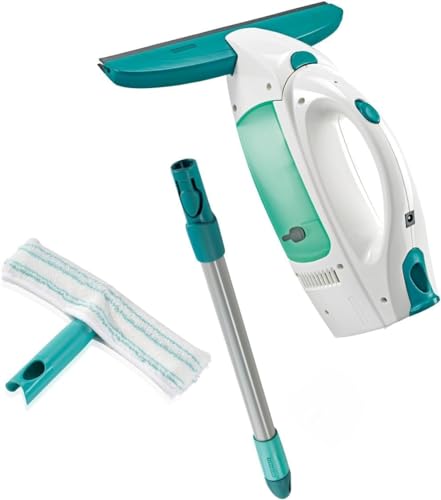
Leifheit lists condensation removal as one of its main jobs.
It pulls the water off a streaming window into a tank in a few strokes, so none of it soaks into the sill or goes back into the air from a wet cloth.
The set includes a handle and a washer for regular window cleaning too.
Where the rest of the water comes from
The bedroom shows the symptoms, but moisture builds up all day. Anything that makes steam adds to it, and drying clothes indoors is usually the biggest single source in an Irish winter. A few habits make a real difference:
- Lids on pots and the cooker hood on. The Department of Housing leaflet says cooker hoods should vent outside, not recirculate the air back into the kitchen.
- Bathroom door shut, extractor running. Respond recommends running the fan for at least 30 minutes after a shower and never switching it off at the isolator.
- Towels off the bathroom radiator. Drying them there puts their water straight back into the bathroom air. Use the radiator to warm and dry the room instead.
- Washing outside when you can. The HSE's advice for people with asthma lists it alongside using an extractor or an open window when cooking or showering.
When outside isn't an option in a wet November, the usual compromise is a heated clothes airer in a room with a dehumidifier set to laundry mode, so the water ends up in a tank instead of on the glass.
Fixes that don't work on their own
Warmer air and warmer glass help, but without ventilation the moisture stays in the house and settles on the next cold surface, often the wall behind a wardrobe.
Heat and fresh air work together. Respond recommends a steady, low level of heating, ideally 18°C to 21°C, over letting rooms go cold and warming them up again.
The Department of Housing advises keeping them open all year. The heat they let out is small next to the cost of treating mould.
Closed vents are one of the most common reasons condensation gets worse after new windows go in.
A tub fills over weeks. The moisture from a night in a shared bedroom arrives in hours.
They’re fine for a wardrobe or a small press. A bedroom needs ventilation or a dehumidifier.
It means the glazing is keeping heat in, so the outer pane stays cold. It clears once the sun is on it.
Only water between the panes points to a failed unit.
Fixes worth paying for, cheapest first
Once the habits are in place, spend money in this order. Stop when the windows stay dry.
- A hygrometer, around €30 (our pick is above). It shows the room's relative humidity, so you can see whether airing is working. Pick one that also shows the dew point: if the glass is colder than that figure, it will run. If the reading is still high every morning after a week of the routine above, ventilation alone won't do it. What your hygrometer reading means.
- A window vacuum (also above). It won't stop condensation. It does get a bedroom's worth of water into a tank in a minute, instead of into the sill and a soggy cloth.
- A dehumidifier. This is the fix that takes the water out of the house instead of moving it around. Low energy 20 litre compressor models draw under 200W, so an eight hour night costs roughly 50c at typical Irish unit rates and much less on a night rate. Bedrooms that drop below 15°C need a different type, which our dehumidifier guide explains. Work out your own figures with the dehumidifier running cost calculator.
- Insulating film for single glazing. If you still have single panes, a shrink film kit raises the temperature of the inner surface for a few euro a window, and renters can fit it. See condensation on single glazed windows.
Condensation that appears on cold mornings and clears by lunchtime is a ventilation problem you can manage. Get it looked at if you notice any of these:
- black spots spreading across the window reveal, ceiling corners or the wall behind furniture
- a musty smell that airing doesn’t shift
- a damp patch with a tide mark on a wall away from any window, which can point to a leak or rising damp instead of condensation
- anyone in the house with asthma or a chest condition getting worse each winter
Start with how to remove black mould safely.
Under the minimum standards for rental properties published by the Residential Tenancies Board, your home must be free from damp and have heating and ventilation you can control. Wet windows on their own rarely count as a breach.
Mould caused by a broken extractor fan or windows and vents that won’t open is the landlord’s to fix. Keep a dated record of humidity readings and photos of any damage.
Damp in a rented house explains your rights and the RTB process step by step.