
The best wellies for walking, picked for comfort over long, muddy miles. Five pairs we'd buy, from Aigle's anti-fatigue boot to stretchy neoprene Muck Boots.
For most walkers, the welly to buy is the Aigle Parcours 2 Iso. Its anti-fatigue sole is built for comfort over long distances, and it's handmade in France from natural rubber that flexes at the ankle.
If you walk in the cold, or your feet are wide, buy the Muck Boot Arctic Sport Mid instead. Its neoprene upper moves with your foot like a sock, and the fleece lining keeps you warm on a January hill.
A welly built for standing in a yard is a poor walking boot. For walking, comfort over distance matters more than toe protection or slip ratings on concrete.
The five walking wellies we'd buy
What makes a welly good to walk in
Start with the sole. A walking welly needs cushioning under the heel and a sole that bends where your foot bends. A stiff, flat sole is fine for standing, but after a few kilometres you feel every stone.
Then look at the ankle. Rubber that flexes with your ankle stops the boot rubbing your shin and heel. Neoprene does this best, and soft natural rubber comes next.
Weight matters over distance. A light boot means less effort with every step, which adds up over a two hour walk.
Finally, think about the fit at the heel. Your heel should lift only a little as you walk. If it slips, the boot will rub and blister you before you're halfway round.
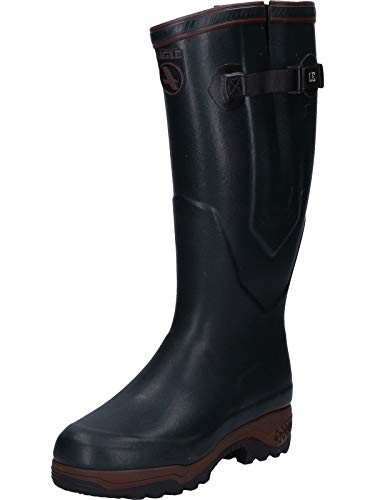
This is the boot we’d buy for walking. Aigle describes the Parcours 2 as the first anti-fatigue welly, and the cushioned sole makes a long walk on a hard track far easier on your feet and knees.
It’s made by hand in France from natural rubber, which stays supple at the ankle. The gusset at the top adjusts, so you can open it for a wide calf or tucked-in trousers.
The Iso version adds a layer of lining in the sole that keeps the cold of wet ground away, which helps on winter walks.
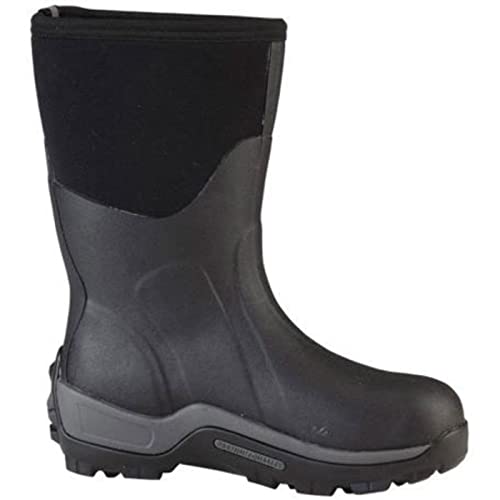
A neoprene boot walks more like a trainer than a welly. The upper flexes and stretches with every step, so there’s no stiff rubber edge rubbing your shin.
The Arctic Sport adds a fleece lining and thermal foam under the footbed, which makes it the warmest boot here. The mid height is easier to get on and off and gives your calf more room.
It’s sold by a Latvian seller, so allow extra time for delivery.
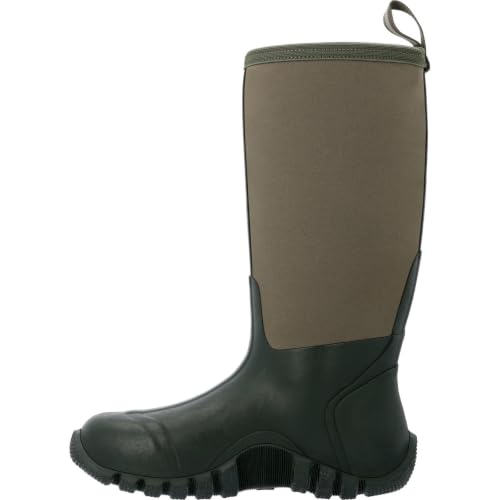
Most Irish walking happens in mild, wet weather rather than deep cold, and that’s what the Edgewater is for. It has the same flexible neoprene as the Arctic Sport, but a breathable mesh lining instead of fleece.
Muck rates it from below freezing up to 18°C, so it’s comfortable on a damp spring or autumn walk without sweaty feet. It’s also sold by the Latvian seller.
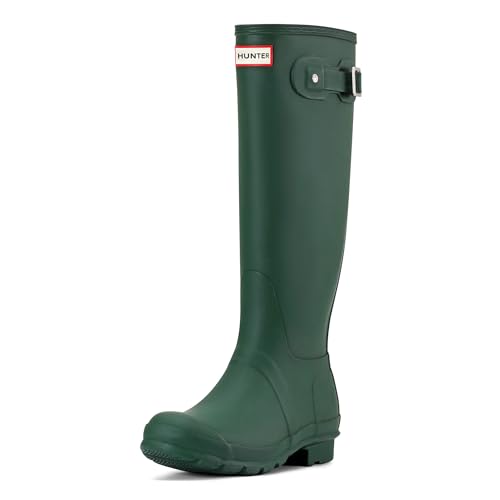
For a walk in the park or along the beach, the Hunter is comfortable and looks the part. Natural rubber is soft enough at the ankle for an hour or two on easy ground.
It isn’t the boot for long or steep walks. The sole is thinner than the Aigle’s, and the slim leg can rub on a long climb. Our Hunter size guide helps you get the fit right.
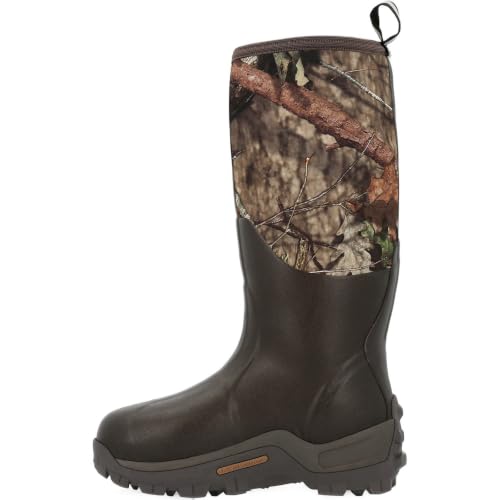
Some walks are more stop than go, like birdwatching or a slow dog walk. For those, warmth matters more than lightness, and the Woody Max is built for it.
The fleece lining and thermal footbed keep your feet warm when you stand still. It’s heavier than the Edgewater, so it’s not the one for a long, brisk hike.
Wellies or walking boots?
Wellies win on wet, flat ground: bog roads, forest tracks, beaches and fields after rain. They're fully waterproof to the knee, and you can walk straight through a stream.
Walking boots win on steep or rocky ground, where you need ankle support and a stiffer sole. On a mountain, wellies are the wrong choice.
Check the trail before you go. Sport Ireland's trail finder advises considering the grading of a trail and making sure it matches your ability and fitness. Many low-level and forest trails suit wellies well.
Why walking is worth the wet feet
Sport Ireland's walking page points out that adults need at least 30 minutes of moderate activity on five days a week, and that 1 in 5 Irish adults don't get it. Walking costs nothing and can be done almost anywhere.
In Ireland, that means walking in the rain. Met Éireann describes the Irish climate as dominated by the Atlantic, with moderate to heavy rain through the autumn.
A good pair of wellies keeps you walking from October to April, when trails turn to mud.
Look after your feet
More walking can bring foot pain if your boots don't support you. The HSE's page on plantar fasciitis lists suddenly doing a lot more walking, and shoes with poor cushioning or support, among its causes.
If that sounds familiar, our guide to wellies for wide feet covers cushioned insoles that fit inside a welly.
Keep your feet dry inside the boot. The HSE's page on athlete's foot says you're more likely to get an infection if your feet stay wet or sweaty.
Wool walking socks help, and so does taking the insoles out after every walk. For the rest of your wet gear, our guide to drying clothes with a dehumidifier shows how to get it dry overnight.
After the walk
Rinse the mud off with cold water before it dries on, and stand the boots upright to dry at room temperature.
Nokian Footwear, the Finnish boot maker, says in its rubber boot care guide to keep rubber boots out of direct sunlight.
Our guide to drying wet wellies shows how to get a pair dry by the next morning. For the warmest options, see warmest wellies, and for a straight brand comparison, Hunter vs Dunlop.
Walking wellies: quick answers
Are wellies good for long walks?
A good pair is, on flat or gently rolling ground. Look for a cushioned sole and a flexible ankle. Cheap PVC wellies are stiff and heavy, and they get uncomfortable after a few kilometres.
Are neoprene wellies better for walking?
For most people, yes. Neoprene flexes and stretches with your foot, so it rubs less than rubber. It’s also warmer, which suits winter walks.
How do I stop wellies rubbing my calves?
Choose a boot with an adjustable gusset or a neoprene top, and wear long socks that come above the top of the boot. Tucking your trousers in also helps.
Should wellies be tight or loose for walking?
Snug at the heel, with room to wiggle your toes. A boot that’s too loose lets your heel lift and blister. A boot that’s too tight squeezes your toes on downhill stretches.