
The warmest wellies for a cold Irish winter, from neoprene Muck Boots to Dunlop's -50°C Purofort. Five pairs we'd buy, and how to keep your feet warm in them.
The warmest welly you can buy for everyday use is the Dunlop Purofort Thermo+.
Dunlop rates it to -50°C, far colder than anything Ireland throws at us, and the warmth comes from the material itself, so it stays warm even when the boot is wet.
For a softer, more comfortable boot to walk in, buy the Muck Boot Arctic Sport Mid.
It has a thick neoprene upper with a fleece lining, and it's the boot to wear for a long, cold walk or a day at the races.
A standard rubber welly has no insulation at all. In a cold yard or on a winter walk, that's why your toes go numb within the hour, even in thick socks.
The five warmest wellies we'd buy
What makes a welly warm
Two things keep the cold out of a boot, and the best boots combine them. The first is the material. Polyurethane holds tiny pockets of air, so it insulates on its own.
Solid rubber and PVC don't.
The second is the lining. Neoprene, the stuff wetsuits are made of, is the most common. It traps warmth and stays warm when damp.
Fleece and wool linings add more warmth again.
Then there's what's under your foot. Most of the cold in a frosty yard comes up through the sole, so a thick footbed or a layer of thermal foam makes a big difference when you stand still.
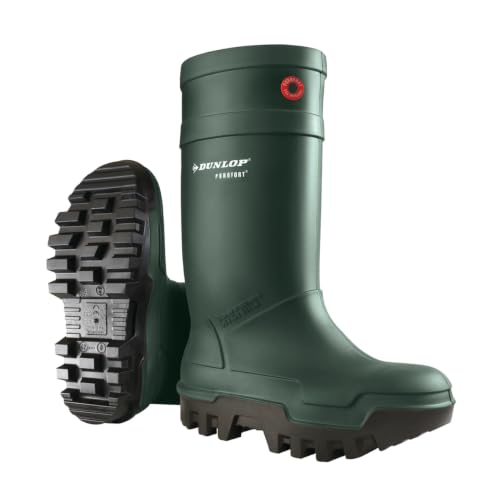
This is the warmest boot on the list and the one we’d buy for standing work in the cold. Purofort is foamed with air under pressure, which gives it its insulation without a lining that can get soaked.
It’s a full safety boot with a protective toecap and midsole, so it suits farms and building sites. The fit is roomy, which leaves space for a thick sock.
The downside is looks. It’s a work boot, and it looks like one.
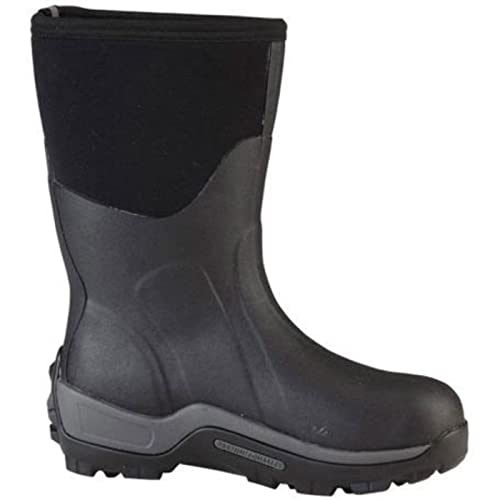
The Arctic Sport is the boot we’d pick for long walks in the cold. The upper is 5mm neoprene, which flexes with your ankle, and it’s lined with fleece.
A layer of thermal foam under the footbed keeps the cold of the ground away.
Neoprene stretches a little, so it’s comfortable on wide feet and big calves. The mid height makes it easier to pull on than a tall boot.
It’s sold by a Latvian seller, so delivery can take a little longer than usual.
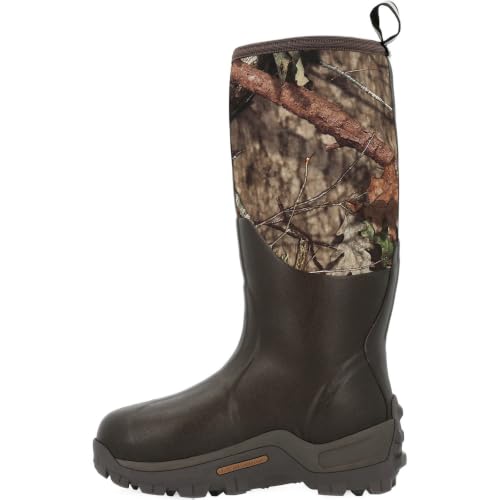
Muck Boot designed the Woody Max for hunters, who spend hours standing still in the cold. That makes it a good choice for anyone who stands rather than walks, whether that’s on the sideline or at a market stall.
The fleece lining and thermal foam footbed give it more warmth than the standard Muck Boots. The camouflage print won’t suit everyone, but the boot is hard to beat for warmth.
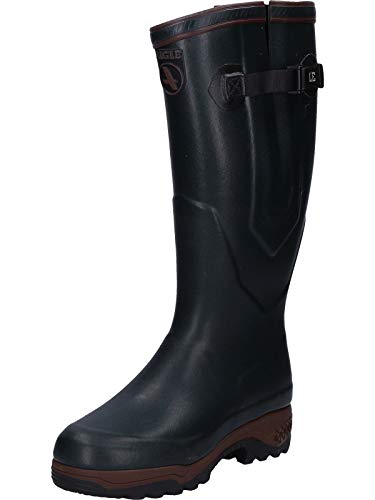
If you want the look and feel of a classic rubber boot with more warmth, this is it.
Aigle is a French maker, and the Iso version of its Parcours 2 adds an extra lining under the foot to block the cold coming up from the ground.
The anti-fatigue sole is comfortable on a long walk, and the gusset at the top adjusts for wider calves. It’s not as warm as the neoprene boots above, but it’s warmer than a standard welly.
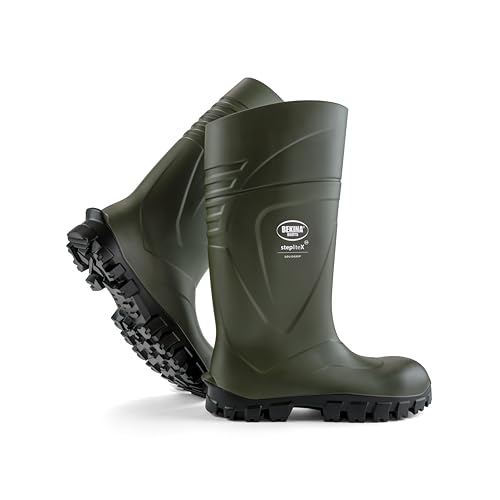
Bekina is a Belgian boot maker, and the StepliteX is an insulated polyurethane boot without a toecap. That keeps it light, and it’s a good pick if you want Purofort-style warmth without the weight of a safety boot.
The moisture-wicking sole helps keep sweat off your feet, which matters more in a warm boot than you’d think. It’s sold by a third-party seller, so check the delivery time.
How cold does it get in Ireland?
Not very, by European standards. Met Éireann notes that the Atlantic keeps Irish temperatures moderate, with relatively mild winters and cool summers. A boot rated to -20°C is more than enough for most of us.
The real problem is damp cold. Met Éireann describes the Irish climate as cool and windy in winter, and a boot that's wet inside loses its warmth fast.
That's why a boot that stays warm when damp, like polyurethane or neoprene, does better here than one that relies on a thick lining alone.
Cold feet and circulation
Some people get cold feet far more than others. If your toes turn white in the cold and then red and painful as they warm up, it may be Raynaud's.
The HSE's page on Raynaud's advises wearing warm clothes in cold weather, especially on your hands and feet. A warm welly with a neoprene or fleece lining is one of the simplest things you can do, along with good socks.
If it's affecting your daily life, talk to your GP.
Keeping warm boots warm
A warm boot that's wet inside is a cold boot. Sweat is the main cause, so wear wool or wool-blend socks that pull moisture away from your skin, and change them if your feet get damp.
The HSE's page on athlete's foot says you're more likely to get an infection if your feet stay wet or sweaty, and lined boots are slower to dry.
Take out the insoles every night and dry the boots at room temperature. Our guide to drying wet wellies has the full method.
Don't dry them on a radiator. If the room is too cold to dry them, our page on the cheapest electric heater to run shows what warming it costs. Nokian Footwear, the Finnish boot maker, says in its rubber boot care guide to dry rubber boots at room temperature, out of direct sunlight. Neoprene doesn't like direct heat either.
Which material is warmest?
Dunlop's Purofort page says the material contains millions of evenly spread air pockets, which give it thermal insulation and keep it light. It rates its standard farm boots to -20°C and the Thermo+ to -50°C.
Neoprene comes a close second for comfort, because it flexes and stretches. Lined rubber is less warm again, though it's still far warmer than an unlined welly.
For working boots, our guide to the best wellies for farmers covers more options. For long walks, see the best wellies for walking. For a straight comparison of the two best-known brands, see Hunter vs Dunlop.
Warm wellies: quick answers
Are neoprene wellies warm?
Yes. Neoprene traps a layer of warm air and stays warm even when damp. A 5mm neoprene boot with a fleece lining is one of the warmest options for walking.
Should I size up for warm wellies?
Lined boots fit a little snugger than unlined ones. If you plan to wear thick socks, or you’re between sizes, go up. A boot that squeezes your foot cuts off circulation and feels colder.
How do I stop my feet getting cold in wellies?
Wear wool socks and add a thermal insole if the boots don’t have one. Most of the cold comes up through the sole when you stand still.
Are lined wellies too warm for spring?
Neoprene boots can get sweaty on mild spring days. If you want one pair for the whole year, a boot with a thinner lining is easier to live with.